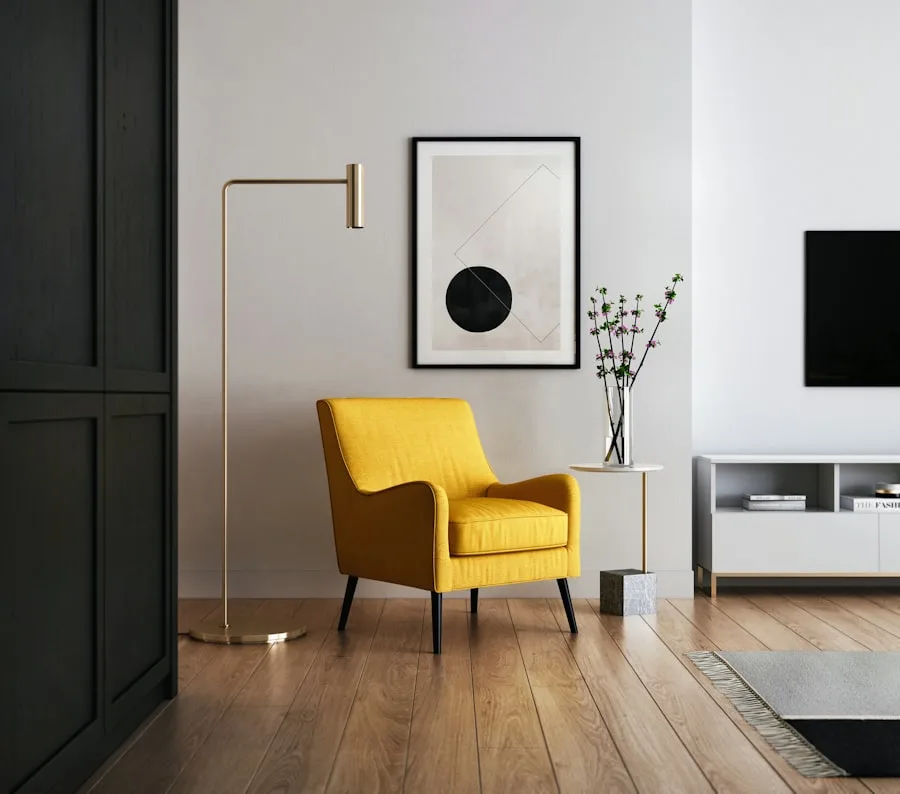
What Is Scandi Design (The Original)
Scandinavian design philosophy developed in Finland, Sweden, Norway, and Denmark as a response to long, dark winters. The core principles: maximise natural light, use warm natural materials (especially birch and pine wood), create functional beauty, prioritise comfort and cosiness (hygge), and keep clutter minimal. The palette is predominantly white, grey, and light wood with restrained colour accents.
Iconic Scandi furniture designers include Arne Jacobsen, Hans Wegner, and Alvar Aalto. The IKEA aesthetic (whether loved or not) is arguably the mass-market distillation of Scandi principles.
What Works Directly in Indian Homes
- Clean lines and minimal ornamentation: Scandi furniture's restraint works everywhere — it doesn't clash with Indian décor, it complements it
- Light wood accents: Birch, ash, and oak tones look beautiful in Indian interiors and feel warm without being heavy
- Functional storage: Scandi design is obsessed with clever storage — aligns perfectly with Indian homes' need for maximum storage
- White and off-white walls: Work as well in Chennai as in Stockholm — though for different reasons (reflects heat in Chennai, reflects light in Stockholm)
- Plants and nature: Indian homes have always incorporated nature; Scandi design's houseplant focus is a natural fit
What Needs Adapting for Chennai
| Scandi Original | Chennai Adaptation | Why |
|---|---|---|
| Maximise window openings for light | Filter intense light with linen curtains or solar films | Chennai sun is intense, causing heat gain and furniture fading |
| Wool throws and heavy blankets | Cotton throws, linen cushion covers | Wool traps heat in Chennai summers |
| Solid wood flooring | Light wood-look vitrified tiles or engineered wood | Chennai humidity causes solid wood to expand and contract |
| Small windows (Nordic context) | Large windows with motorised solar shades | Indian apartments often have large windows — manage UV without losing the view |
| Candles for winter cosiness | Warm LED fairy lights and dimmable lamps | Chennai weather doesn't need candles — warm lighting achieves the same mood |
Achieving Indian Scandi: Step by Step
- Start with the wall palette: Warm white or off-white (not cold pure white). Add one accent wall in a warm greige, dusty sage, or pale terracotta.
- Light wood furniture: A birch or oak dining table, a simple wooden bed frame, a rattan accent chair. Avoid dark wood — it reads as heavy rather than Scandi.
- Linen curtains floor to ceiling: This is the single most impactful Scandi element you can add — it transforms the room proportions and filters Chennai light beautifully.
- Cotton textiles: Neutral cotton bedding, cotton cushion covers in warm white and dusty sage or warm terracotta.
- Integrated hidden storage: Scandi kitchens and wardrobes look clean because everything is in closed cabinets. Choose a modular kitchen with handleless or simple bar-handle shutters in light grey or off-white.
- Plants as decor: A fiddle-leaf fig, a trailing pothos, a snake plant by the window. Scandi spaces feel alive with greenery — and Chennai's climate grows plants easily.
See also our guide on Japandi interior design for Chennai, which takes Scandi principles and blends them with Japanese minimalism for an even more refined result.
Frequently Asked Questions
Scandi design is characterised by clean lines, white and grey palettes, natural wood accents, functional simplicity, cosy textiles (hygge), and maximised natural light. It originated in Nordic countries where winter darkness drove a philosophy around warmth, light, and functional beauty.
Yes, with adaptations. Scandi's clean lines, wood accents, and functional approach translate well. Key changes: swap wool for cotton, manage intense sunlight differently, integrate Indian storage needs, and add a warm colour accent to prevent the look from feeling cold.
Use cotton and linen instead of wool, light-coloured vitrified tiles or light wood-look tiles instead of solid wood flooring (which expands in humidity), rattan furniture, and breathable natural fabrics. Avoid heavy velvet, dark wool rugs, or materials that trap heat.