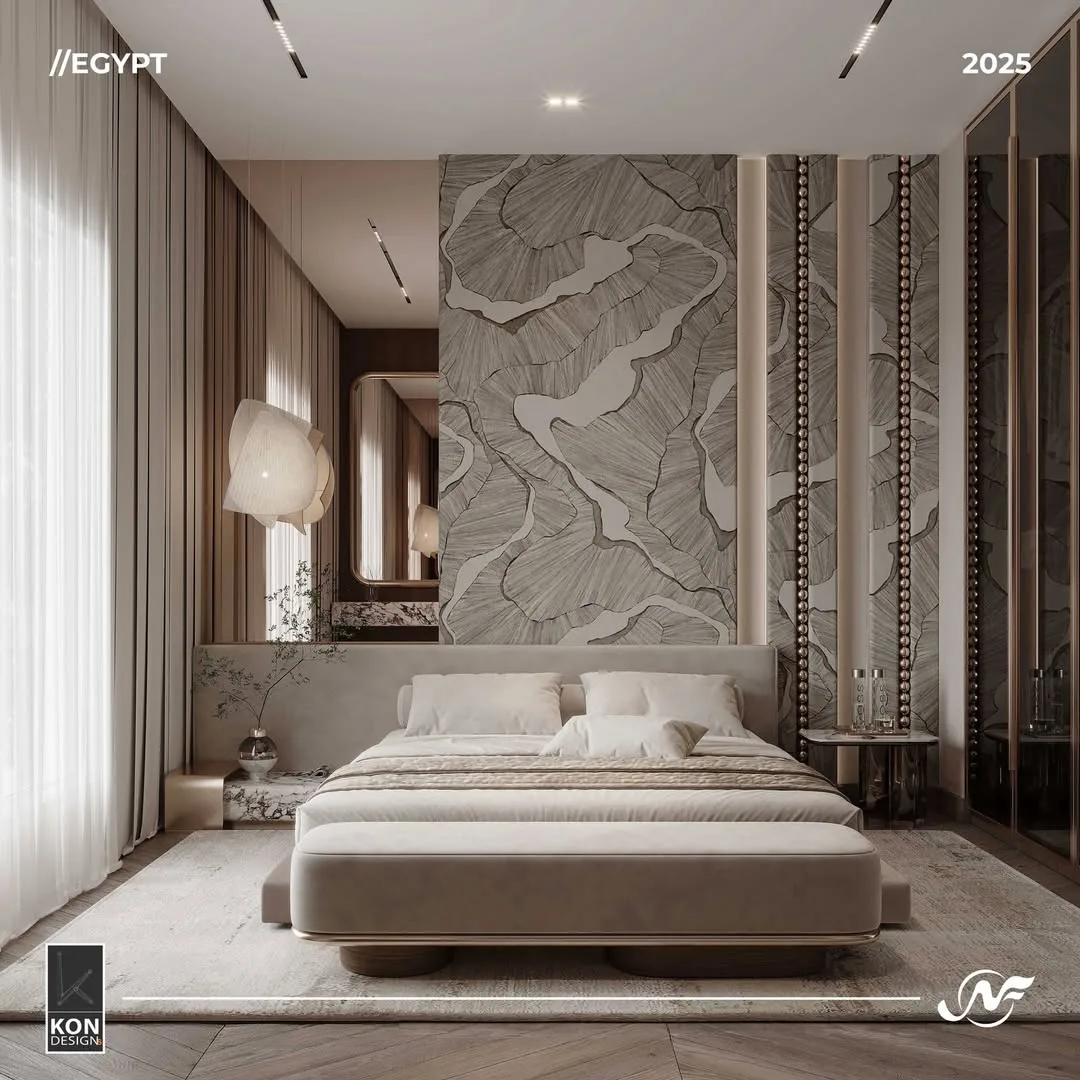
Understanding Japandi
Japandi is not a random blending of Asian and Nordic aesthetics — it is a coherent philosophy built on two convergent traditions that share deep common ground: Japanese wabi-sabi (finding beauty in imperfection and transience) and Scandinavian hygge (finding comfort and warmth in simplicity). Both philosophies value: natural materials, functional objects, absence of unnecessary ornamentation, and the beauty of craftsmanship.
In practice, a Japandi interior looks like this: low-profile furniture in natural teak or oak, linen textiles in warm neutral tones, ceramic vessels with imperfect glazes, rattan and bamboo accents, shoji-inspired sliding panels or linen curtains, indoor plants, and walls in warm greige or muted sage green.
The Japandi Palette for Chennai
Japandi colour is characterised by restraint and warmth. For Chennai homes:
- Walls: Warm white (SW 7012 Creamy or similar), warm greige, muted sage green, or pale terracotta. Never cold grey or sterile white.
- Wood tones: Medium oak, teak, bamboo — neither too light (Nordic ash) nor too dark (mahogany). Warm honey tones that feel natural.
- Textiles: Oatmeal linen, warm white cotton, dusty sage, muted terracotta. Natural undyed or low-dye fabrics wherever possible.
- Accents: Matte black hardware, dark brown rattan, terracotta ceramic vessels, dried botanical arrangements.
Japandi in a Chennai Apartment: Room by Room
Living Room
Low-profile sofa with clean lines in warm oatmeal linen. A natural teak coffee table with clean geometry. One rattan accent chair. Linen curtains floor to ceiling — creates height and filters Chennai light beautifully. A single large plant (fiddle-leaf fig or bird of paradise) in a ceramic pot. Minimal but intentional wall decor: one large artwork or a simple wooden shelf with 3 objects.
Master Bedroom
Platform bed or tatami-style low bed frame in teak or bamboo. Integrated wardrobe with reeded glass or plain linen panel doors. Bedside lamp in ceramic with warm filament bulb. Linen bedding in warm white and muted terracotta. No unnecessary furniture — every piece has a function.
Kitchen
Matte handleless modular kitchen in warm white or sage green, teak-tone open shelves for display (3 items maximum), stone-look quartz countertop, ceramic vessel for utensils. The Japandi kitchen feels clean, warm, and human — not clinical.
Why It Works Exceptionally Well in Chennai's Climate
The combination of light palette, breathable natural materials, uncluttered spaces, and linen window treatments creates a home that feels cooler. Natural rattan and bamboo don't trap heat. Light linen absorbs less solar radiation than dark or synthetic fabrics. Open, uncluttered spaces allow air to circulate. Japandi is, incidentally, one of the most thermally comfortable design styles for hot climates.
See also our guides on Scandinavian design for Indian homes and biophilic design for complementary approaches.
Frequently Asked Questions
Japandi combines Japanese minimalism (wabi-sabi, natural materials, functionality) with Scandinavian warmth (hygge, light wood, cosy functionality). The result is a calm, curated aesthetic using natural materials, earthy muted palettes, handmade elements, and hidden functional storage.
Japandi's light, airy spaces, breathable natural materials (linen, cotton, rattan, bamboo), neutral pale palettes, and minimal visual clutter align well with Chennai's climate needs. The aesthetic feels cool and open even in peak summer heat.
Start with warm whites and greiges on walls. Replace heavy curtains with linen panels. Choose low-profile furniture with natural wood frames. Add rattan or bamboo accents. Use linen or cotton textiles in neutral tones. Keep surfaces clear — only 3–5 intentional objects visible. Add one or two indoor plants.