Homeli design concepts
A glimpse of the interior design concepts we create for Chennai homes — itemised, detailed, built to last.
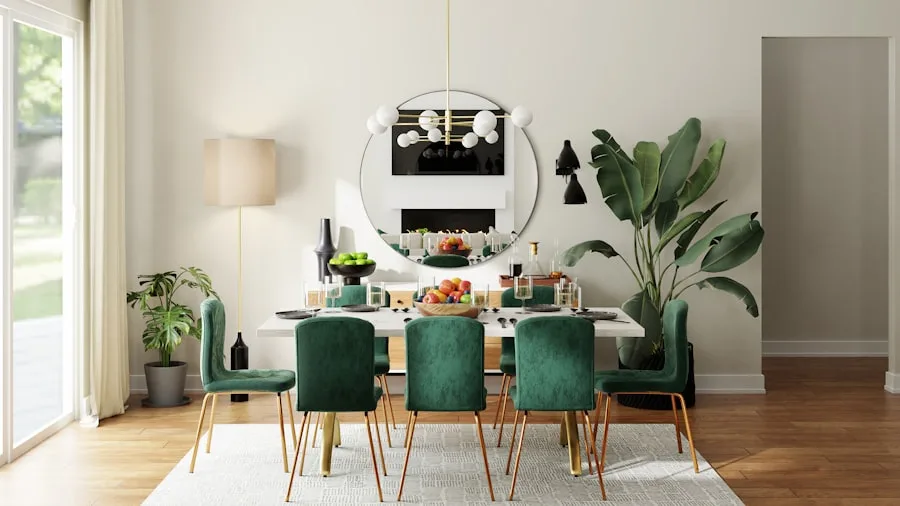 Living room
 Modular kitchen
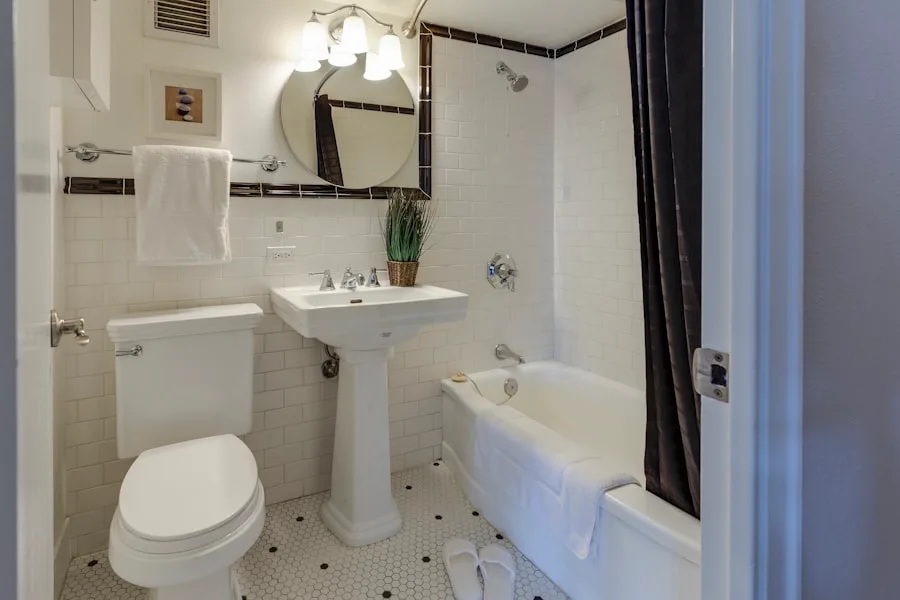 Master bedroom
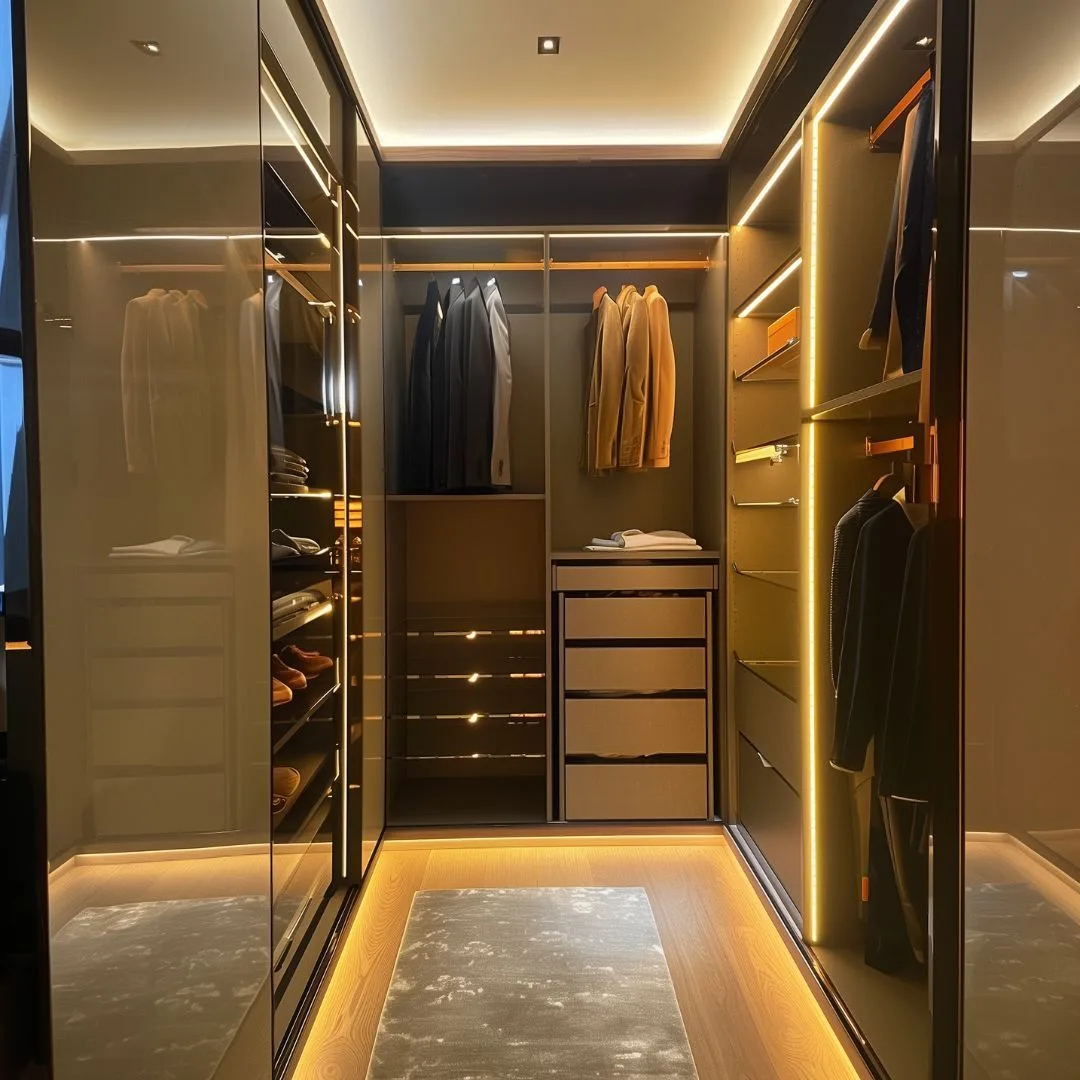 Walk-in wardrobe
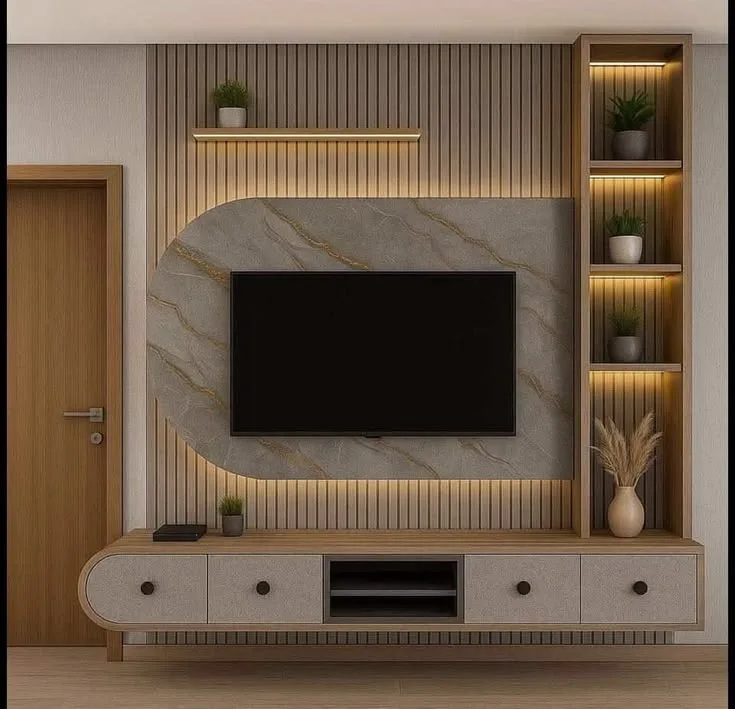 TV unit
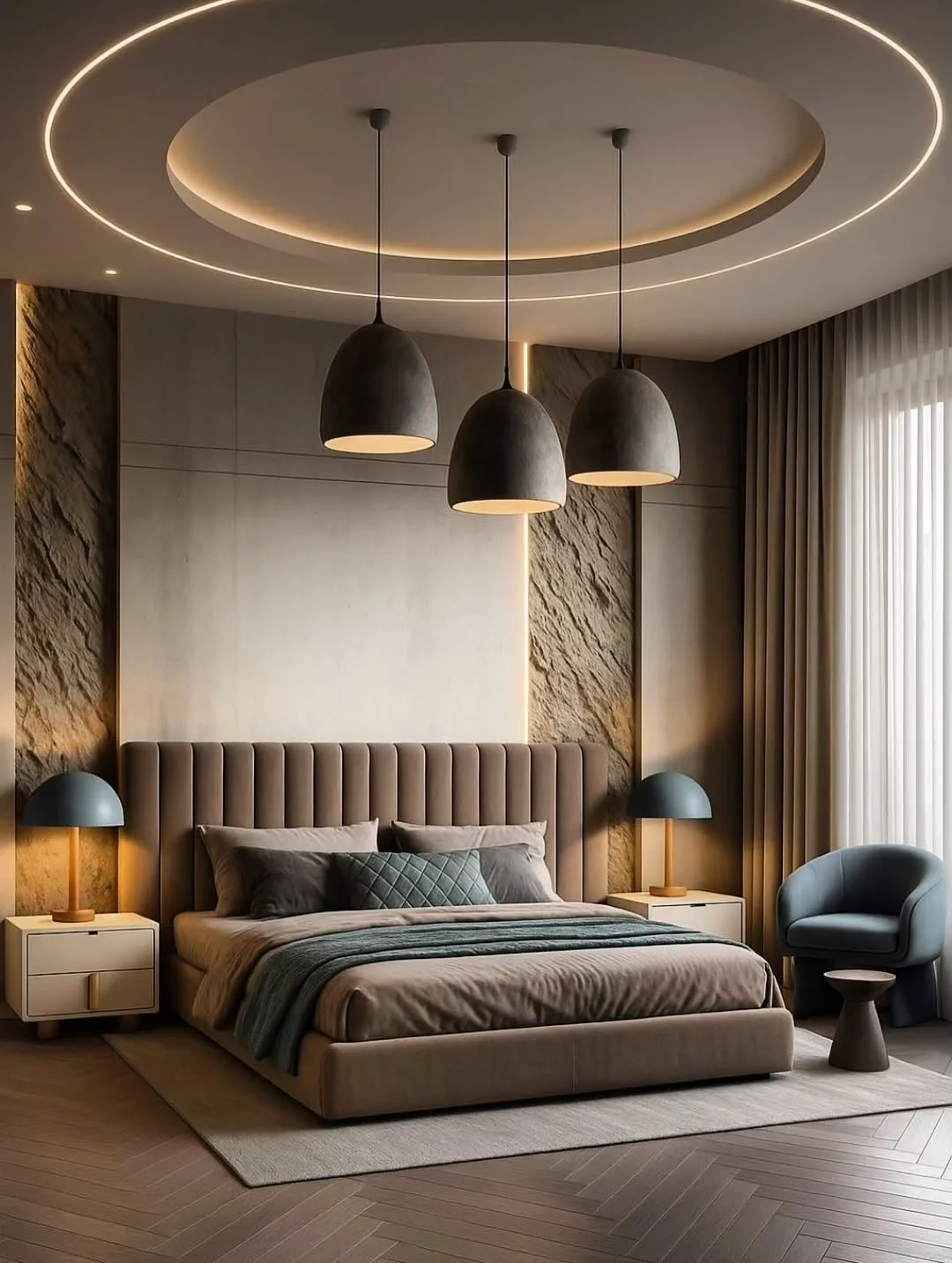 Bedroom design
Chennai is hot, humid and coastal — and termites love it. Materials that work in a dry climate fail here in a few years. This is the honest guide to what survives, what doesn't, and what to insist on.
For Chennai homes, use marine-grade BWP plywood (IS:710) for all carpentry — never MR-grade, which swells in the humidity within 3–5 years. Pair it with branded rust-resistant hardware (Hettich/Hafele/Blum), acrylic or laminate shutters (avoid raw veneer in wet zones), and ensure all plywood is termite and borer treated. The carcass material matters more than the finish you see.
Three forces work against your furniture in Chennai:
The result: materials chosen for cost rather than climate fail early — and the failure is hidden until it's expensive.
| Grade | Verdict for Chennai |
|---|---|
| Marine BWP (IS:710) | ✓ Use this — boiling-water-proof, survives humidity 15+ years |
| MR grade (IS:303) | ✗ Avoid — "moisture resistant" only, swells in 3–5 years here |
| Particle board / MDF in wet zones | ✗ Avoid for kitchen & bathrooms — absorbs moisture fast |
Hinges, channels and handles are where coastal corrosion shows first. For Chennai:
Termites are a genuine Chennai risk. Protect against them by using borer- and termite-treated plywood, sealing all edges properly, and treating the site if there's any history of infestation.
The Homeli material standard on every Chennai project: marine BWP (IS:710) plywood, termite/borer treated; Hettich/Hafele/Blum hardware with soft-close; acrylic or quality laminate finishes for wet zones; and original retailer invoices for plywood and hardware handed to you at closing — so you can verify every material against your contract.
A glimpse of the interior design concepts we create for Chennai homes — itemised, detailed, built to last.
Living roomModular kitchenMaster bedroomWalk-in wardrobeTV unitBedroom designTell us about your project. A senior Homeli advisor will give you straight guidance — itemised pricing, realistic timelines, no pressure, no inflated numbers.