📄 Quotation Decoder
HomeGuides › How to read an interior design quotation

How to read an interior design quotation

Two quotes for the "same" home can differ by ₹3 lakh — and the cheaper one often costs more in the end. Here's how to read an interior quotation line by line, spot what's hidden, and compare fairly.

Use cost calculator
Quick answer

A proper interior quotation (BOQ — Bill of Quantities) lists every item separately: room, unit, material, brand, grade, size/quantity, rate and amount. If a quote shows only a lump sum or a few vague rooms, you cannot verify or compare it. The real skill is comparing quotes like for like — same plywood grade, same hardware brand, same finish — not just comparing the bottom-line number.

What a real quotation must contain

Every line of a genuine itemised quote should answer six questions:

  1. What — the exact unit (e.g. "Master bedroom 7×8 ft sliding wardrobe").
  2. Material — carcass and shutter material, with grade ("marine BWP 710").
  3. Brand — hardware brand and model ("Hettich soft-close hinges").
  4. Finish — laminate / acrylic / PU, with code where relevant.
  5. Quantity — sq ft, running ft, or unit count.
  6. Rate & amount — per-unit rate and the line total.
Red flag: "Full home interior — ₹6,50,000" with no breakup. That single line hides material grade, scope and every change-order charge. Always ask for the itemised version.

A sample itemised line

This is what one healthy BOQ line looks like:

ItemDetail
UnitMaster bedroom wardrobe — sliding, 7×8 ft
CarcassCentury marine BWP plywood IS:710, 18mm
Shutter1mm laminate, both sides, brand + code
HardwareHettich sliding track + soft close
Quantity56 sq ft
Rate / Amount₹1,750 / sq ft → ₹98,000

You can verify, question and compare every part of that. A line that just says "Wardrobe — ₹98,000" gives you nothing.

Where hidden charges live

When comparing quotes, check whether these are included or quietly excluded:

How to compare three quotes fairly

  1. Normalise the scope. List every room and item; make sure all three quotes cover the same set.
  2. Match the materials. Compare only same plywood grade and same hardware brand — adjust mentally if they differ.
  3. Add the exclusions back. A cheap quote often excludes painting, ceiling or lofts — add typical costs to compare true totals.
  4. Check GST treatment. One inclusive and one exclusive quote aren't comparable until you align them.
  5. Then compare the bottom line. Only after the first four steps does the final number mean anything.
Truth: The lowest quote is frequently the one with the most exclusions and the lowest material grade. A slightly higher fully-itemised quote often costs less by the end.

The Homeli quote standard

Every Homeli quotation is fully itemised — room by room, unit by unit, with material grade, hardware brand, finish, quantity and rate on every line. Nothing is bundled into a vague lump sum. The quote you approve becomes the contract, and any change needs your written sign-off first. You can compare it line by line against any other quote — we built it to be checked.

Recent Homeli projects

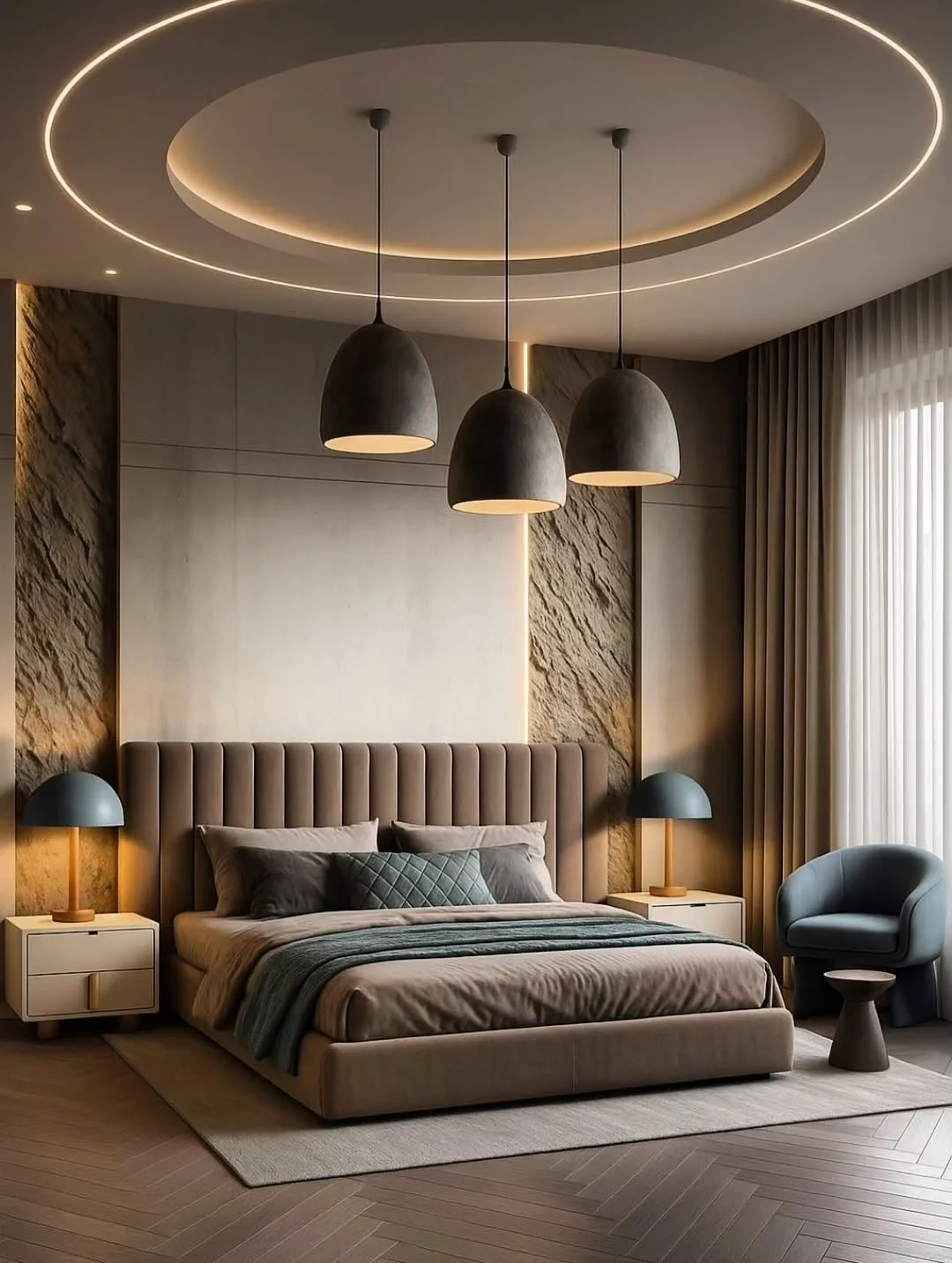
A glimpse of interiors delivered for homes across Chennai and Bangalore — itemised, on time, built to last.

Get a clear, honest answer for your home

Tell us about your project. A senior Homeli advisor will give you straight guidance — itemised pricing, realistic timelines, no pressure, no inflated numbers.

  • Free site visit anywhere in Chennai
  • Itemised written quote in 48 hours
  • Marine BWP plywood + branded hardware
  • 10-year written workmanship warranty
  • 45-day delivery with penalty clause
Talk to a Homeli advisor

🔒 100% private · no spam · we'll respond within 30 min (10am–8pm)

Frequently asked

What is a BOQ in interior design?
BOQ stands for Bill of Quantities — the itemised version of an interior quotation. It lists every unit separately with its material, grade, brand, finish, quantity, rate and amount. A proper BOQ lets you verify exactly what you're paying for and compare quotes line by line, unlike a lump-sum quote that hides everything in one number.
How do I compare two interior design quotations?
Don't just compare the bottom-line numbers. First normalise the scope so both cover the same rooms and items, then match the materials (same plywood grade, same hardware brand), add back any exclusions like painting or false ceiling, and align GST treatment. Only after those four steps does the final total become a fair comparison. The cheapest quote often has the most exclusions and lowest material grade.
Why are two interior quotes for the same home so different?
Usually because they aren't actually for the same thing. Differences come from plywood grade (marine BWP vs MR), hardware brand (Hettich vs generic), shutter finish (acrylic vs laminate vs membrane), and exclusions — one quote may leave out painting, false ceiling, lofts or appliance units to look cheaper. Itemise both and compare like for like.
What hidden charges should I look for in an interior quotation?
Check whether electrical and plumbing changes, civil work, false ceiling, painting, loft storage, appliance units (chimney, hob, sink), GST, and transport/installation are included or excluded. A low quote frequently achieves its price by quietly leaving several of these out, so you pay for them later as "extras".
What should an interior quotation include?
Every line should specify the exact unit, the carcass and shutter material with grade, the hardware brand and model, the finish, the quantity (sq ft, running ft or count), and the per-unit rate with line total. If a quote shows only a lump sum or vague room-level numbers, ask for the fully itemised version before proceeding.
Is the lowest interior quote the best?
Rarely. The lowest quote is often the one with the most exclusions and the lowest material grade — MR plywood instead of marine BWP, generic hardware instead of branded. Once you add back the exclusions and match materials, a slightly higher fully-itemised quote frequently turns out cheaper and far less stressful.

Related guides