🧓 Senior-Safe Design
HomeGuides › Elderly-friendly home design in Chennai

Elderly-friendly home design in Chennai

If your parents live with you — or you're planning ahead — a few thoughtful design choices make a home dramatically safer and more comfortable for seniors. Here's what genuinely matters.

Use cost calculator
Quick answer

Elderly-friendly home design focuses on preventing falls and reducing strain. The highest-impact changes are: anti-slip flooring (especially bathrooms), grab bars and a seated shower area in bathrooms, bright even lighting with night lights, furniture at comfortable heights, clear step-free pathways, and lever handles instead of knobs. Most of these can be retrofitted into an existing Chennai home.

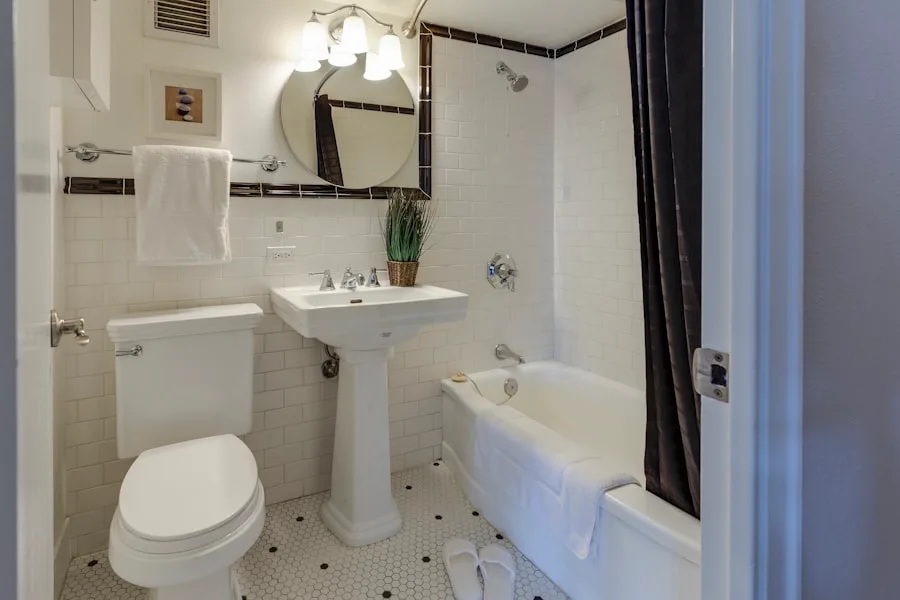
Bathroom safety — the top priority

Bathrooms are where most falls happen. Make these changes first:

Flooring and step-free movement

Lighting for older eyes

Ageing eyes need more, and more even, light:

Furniture & everyday comfort

Retrofitting an existing home

You don't need a full renovation. Most elderly-friendly changes — grab bars, anti-slip treatment, better lighting, lever handles, rearranged furniture and storage — can be retrofitted into an existing Chennai home as a focused, modest-budget project. Homeli can assess your parents' home and prioritise the changes that reduce risk the most, room by room.

Note: For specific mobility or medical needs, also consult an occupational therapist — every senior's requirements differ.

Recent Homeli projects

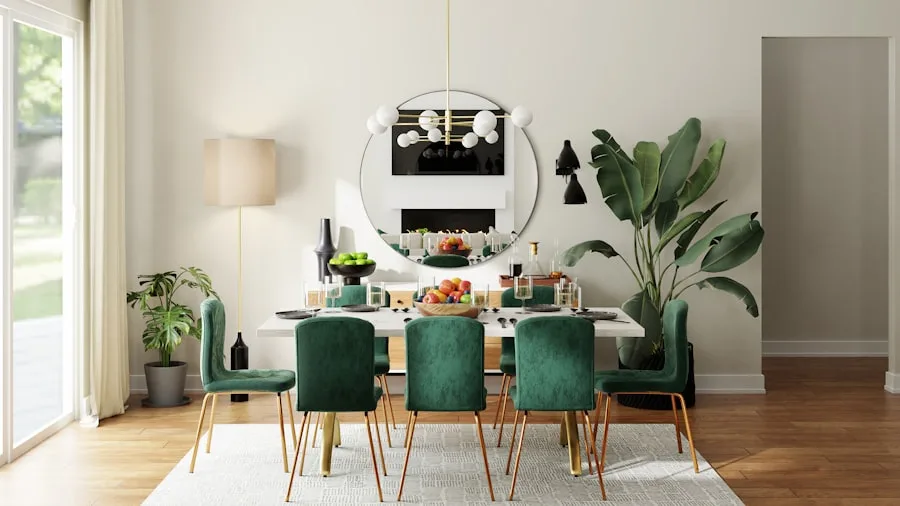
A glimpse of interiors delivered for homes across Chennai and Bangalore — itemised, on time, built to last.
Get a clear, honest answer for your home

Tell us about your project. A senior Homeli advisor will give you straight guidance — itemised pricing, realistic timelines, no pressure, no inflated numbers.

  • Free site visit anywhere in Chennai
  • Itemised written quote in 48 hours
  • Marine BWP plywood + branded hardware
  • 10-year written workmanship warranty
  • 45-day delivery with penalty clause
Talk to a Homeli advisor

🔒 100% private · no spam · we'll respond within 30 min (10am–8pm)

Frequently asked

What makes a home elderly-friendly?
Elderly-friendly design focuses on preventing falls and reducing strain. The highest-impact features are anti-slip flooring (especially in bathrooms), grab bars and a seated shower area, bright even lighting with night lights, furniture at comfortable heights with armrests, clear step-free pathways, and lever handles instead of knobs. Most of these can be retrofitted into an existing home.
How do I make a bathroom safe for elderly parents?
Bathrooms are where most falls happen, so prioritise them: install anti-slip flooring or anti-skid treatment, fix grab bars firmly near the WC and in the shower, add a fixed or folding shower seat, use a comfortable-height WC, fit lever taps for arthritic hands, and separate the wet bathing area from the dry zone so the whole floor doesn't get slippery.
What flooring is best for an elderly-friendly home?
Use matte-finish, anti-skid flooring throughout — never high-gloss surfaces, which become slippery. Avoid loose rugs and mats, which are a major trip hazard, or fix them down securely. Minimise or ramp small level changes between rooms, and keep main pathways wide and clear of furniture corners.
Can I make an existing home elderly-friendly without full renovation?
Yes. Most elderly-friendly changes — grab bars, anti-slip treatment, improved lighting and night lights, lever handles, rearranged furniture and reachable storage — can be retrofitted into an existing home as a focused, modest-budget project. A designer can assess the home and prioritise the changes that reduce fall risk the most.
What lighting is best for elderly people at home?
Older eyes need more and more even light. Provide bright, even lighting without dark patches or harsh shadows along walkways, add soft night lights on the bedroom-to-bathroom route to prevent night-time falls, place switches at easy-reach height (two-way switches help in bedrooms), and reduce glare by spreading light evenly rather than relying on a few bright points.
What furniture is suitable for senior citizens?
Choose seating at a comfortable height with armrests that makes sitting down and rising easy, a bed that isn't too low, and storage that keeps everyday items between knee and shoulder height — avoiding high lofts and very low drawers. Lever door handles are easier than knobs, and a sturdy chair in the bedroom gives somewhere safe to sit while dressing.

Related guides