Most new Chennai apartments — particularly 2BHK and 3BHK configurations — have an open-plan living and dining area. One large space serves both purposes, and without thoughtful design, it can feel confused and neither zone works properly. Here's how to make both zones shine.
Zone Without Walls — 5 Strategies
1. Different Flooring for Each Zone
The most impactful zoning technique: use different flooring material for the living and dining areas. Common combinations — large format tiles (800×800mm) in the dining zone with wooden laminate or vinyl flooring in the living zone. The material change creates a clear, permanent zone separation without any wall or furniture.
Even a subtle change works — same tile in both zones but a different tile border pattern in the dining area. Cost: ₹40,000–₹90,000 for the combined floor area depending on materials.
2. Pendant Light Above Dining Table
A pendant or cluster of pendants hanging directly above the dining table is the single strongest visual anchor for a dining zone. It defines the space from above, draws the eye, and sets the dining area apart from the living zone — even without any physical barrier.
Hang pendants 70–80 cm above the table surface. Choose a design that complements but contrasts slightly from the living room's pendant or ceiling light. Cost: ₹3,000–₹15,000 for a good pendant or cluster.
3. Sofa Back as Visual Divider
Position the sofa with its back towards the dining area. The back of a 3-seater sofa (typically 80–90 cm high) creates a clear visual separation between zones. Add a narrow console table behind the sofa — it creates a useful surface (for decorative objects or a lamp) and further emphasises the zone boundary.
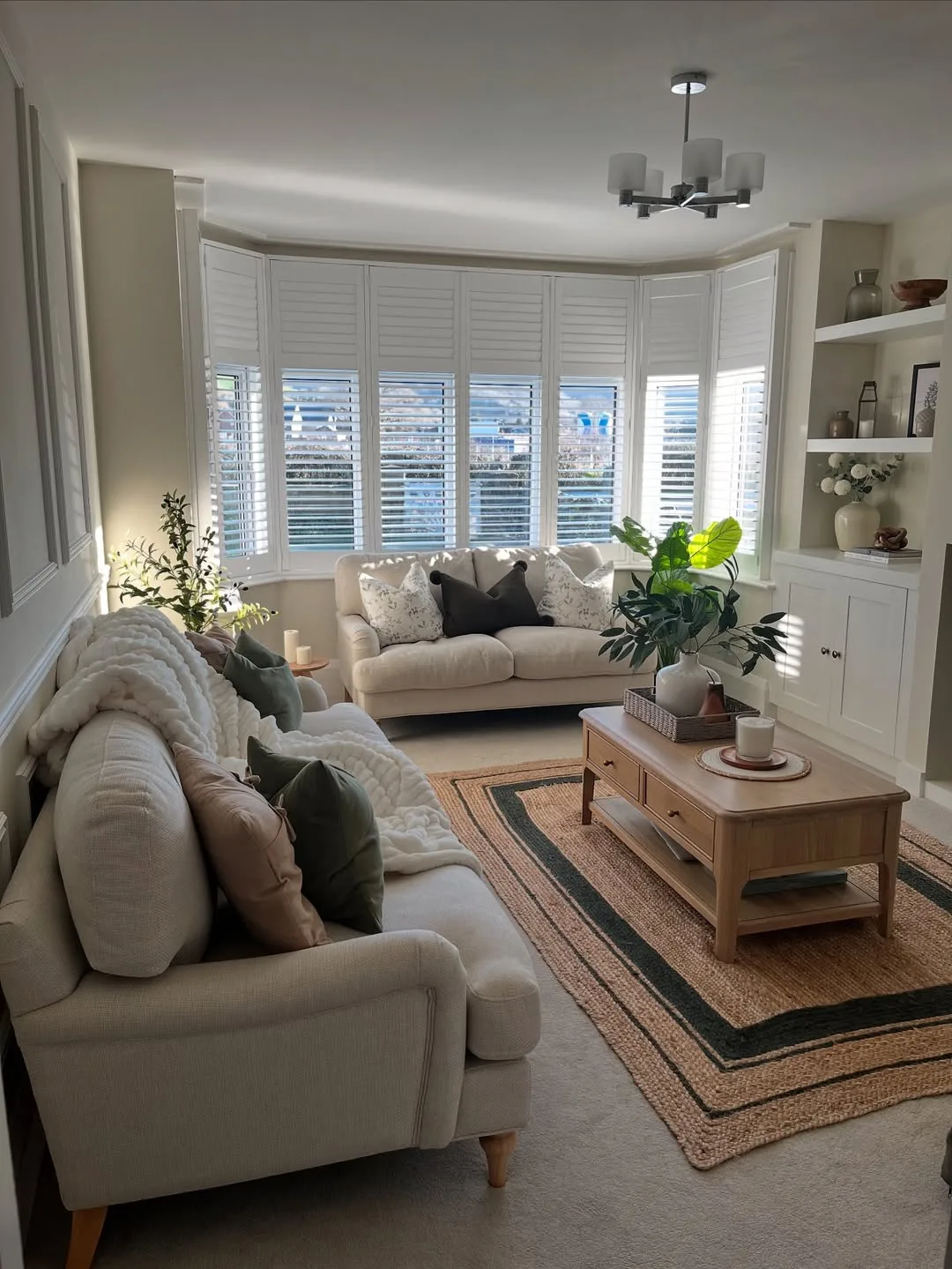
4. Area Rug Under Living Zone Seating
A large area rug under the living room sofa and chairs clearly demarcates the living zone from the dining zone. The rug doesn't need to be expensive — a jute rug in neutral tones works very well. Size it so at least the front legs of all seating pieces sit on the rug. Minimum rug size: 200×150 cm for a 3+1 arrangement.
5. Different False Ceiling Designs
Use different ceiling treatments for each zone — a tray ceiling with cove lighting over the living area, a simpler flat ceiling with a pendant drop point over the dining area. The ceiling differentiation is subtle but powerfully reinforces the zone distinction.
Furniture Arrangement Tips
The most common mistake in open-plan living-dining apartments: placing both the dining table and the sofa along the same wall. This creates an awkward, linear arrangement where neither zone feels defined. Instead:
- Position the dining table perpendicular to the sofa — creates a clear T or L-shaped zone relationship
- Leave at least 100–120 cm between the dining chair backs and the sofa
- The dining zone should have its own clear access path from the kitchen
Dining Table Size Guide for Apartments
| Table Size | Seats | Minimum Zone Size |
|---|---|---|
| 100×70 cm (round 90 cm) | 2–4 | 240×240 cm |
| 120×80 cm | 4 | 300×260 cm |
| 150×90 cm | 4–6 | 330×270 cm |
| 180×90 cm | 6–8 | 360×270 cm |
Round vs Rectangular Dining Table
Round tables are better for smaller dining zones — they need less floor space for the same number of seats, allow 360° movement around them without a blocked end, and create a more intimate atmosphere. A round 110 cm table seats 4 comfortably and fits in a 250×250 cm zone.
Rectangular tables are better when you need to seat 6+ people regularly and have a longer zone dimension. They also give a more formal dining room feel.
Lighting Differentiation
Use different lighting colours and intensities for each zone. The dining zone can be slightly brighter (for food visibility) and have a more focused, theatrical pendant. The living zone benefits from warmer, lower ambient light (3000K or dimmed recessed lights). This creates a natural mood differentiation between eating and relaxing.
Frequently Asked Questions
Also read: Sofa Placement Ideas · Living Room Design Ideas · Interior Designers in Chennai