Why Minimalism Is Hard in Indian Homes (and How to Fix It)
The typical Indian family has more stuff than the typical Western household — and for good reason. We celebrate more festivals (each with dedicated décor and vessels), cook more elaborate meals (more utensils), have more guests more often (more seating, more crockery), and maintain religious practice (puja items). Attempting Japanese-style minimalism without accounting for this leads to either an unlivable home or constant anxiety about where to put everything.
The solution isn't less stuff — it's better hidden storage. When everything has a designated hidden home, the visual result is minimal and calm even when the actual volume of possessions is Indian-scale.
The Three Principles of Indian Minimalism
- Everything visible is intentional: Every object in view has been chosen for its aesthetic or sentimental value. Everything else is in closed storage.
- Quality over quantity in what's displayed: Instead of 20 decorative objects on a shelf, display 3 exceptional ones — a sculptural vase, a bronze figure, a handcrafted bowl.
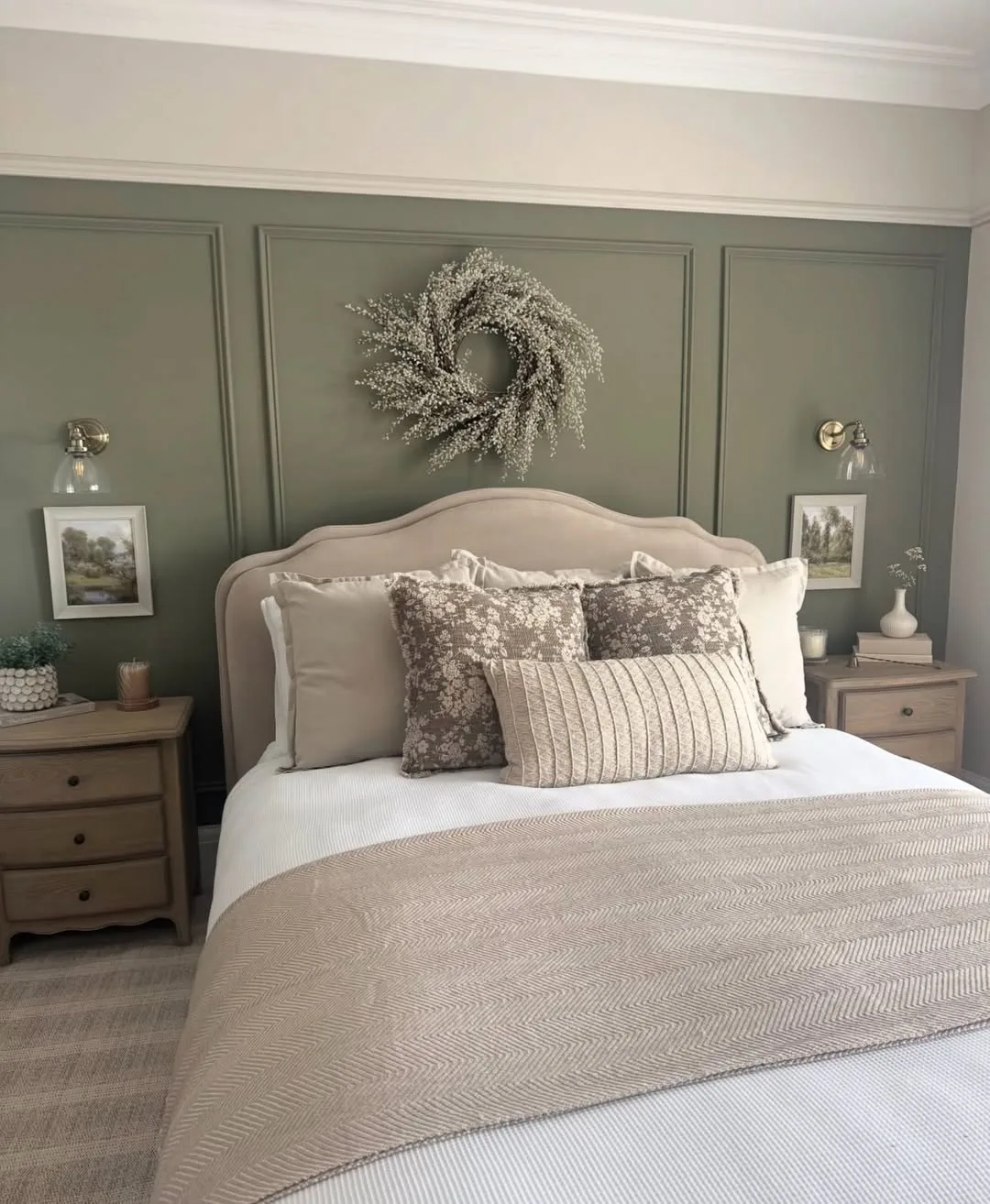
- Neutral palette with texture: Colour minimalism doesn't mean colourless. Warm whites, beiges, and sage greens with texture (limewash, linen, rattan) create depth without chaos.
6 Room-by-Room Minimalist Tips for Indian Apartments
Living Room
One sofa, one accent chair, one coffee table. TV unit with full-height cabinet doors hiding all electronics and media. Floating shelves with maximum 5 curated objects. A single large artwork instead of a gallery wall.
Kitchen
Full modular kitchen with handleless or bar-handle shutters, maximum counter space. Appliances stored in tall pull-out or lift-up cabinets. Only the water bottle and one fruit bowl on the counter.
Master Bedroom
Platform bed with under-bed drawers. Full-height wardrobe with all clothing hidden. No chest of drawers visible — integrate into wardrobe. Bedside tables with one drawer each, top clear except for lamp.
Puja Room
A wall niche with LED backlight, marble or teak shelf, maximum 3–5 idols, one diya. All puja vessels in a closed cabinet below or adjacent. Fragrant but not visually overwhelming.
Bathrooms
Vanity with cabinet below sink (no open shelves). Mirror cabinet for all grooming products. Counter completely clear except for soap dispenser. Shower niche instead of external shelves.
Utility/Storage Room
Invest in a dedicated store room or utility cabinet where festival items, extra vessels, luggage, and seasonal items live. This is the secret to minimalist living rooms — you're not eliminating possessions, you're relocating them.
The Declutter-First Rule
Minimalist design is the outcome of minimalist living, not a substitute for it. Before engaging an interior designer in Chennai, spend one weekend doing a genuine declutter — donate what you don't use, trash what is broken, and be honest about what you actually need. Good design cannot hide genuine excess; it can only organise reasonable possessions beautifully.
Frequently Asked Questions
Yes, but it requires adapting the concept for Indian realities. Indian minimalism is curated, not empty — focused on hidden storage for Indian lifestyle items, quality over quantity in furniture, and a neutral palette with texture. Puja rooms and festival needs are designed in thoughtfully.
The key is built-in hidden storage everywhere — cabinets to ceiling, closed wardrobes, a dedicated store room for festival items. When everything has a hidden home, the visual result is minimal even with a full complement of Indian household possessions.
A minimalist puja room uses a wall niche or dedicated cabinet with clean lines. A single backlit niche with a marble base, simple brass diyas, and 3–5 meaningful idols creates a deeply reverent atmosphere. All puja vessels and extra items are in a closed cabinet adjacent.