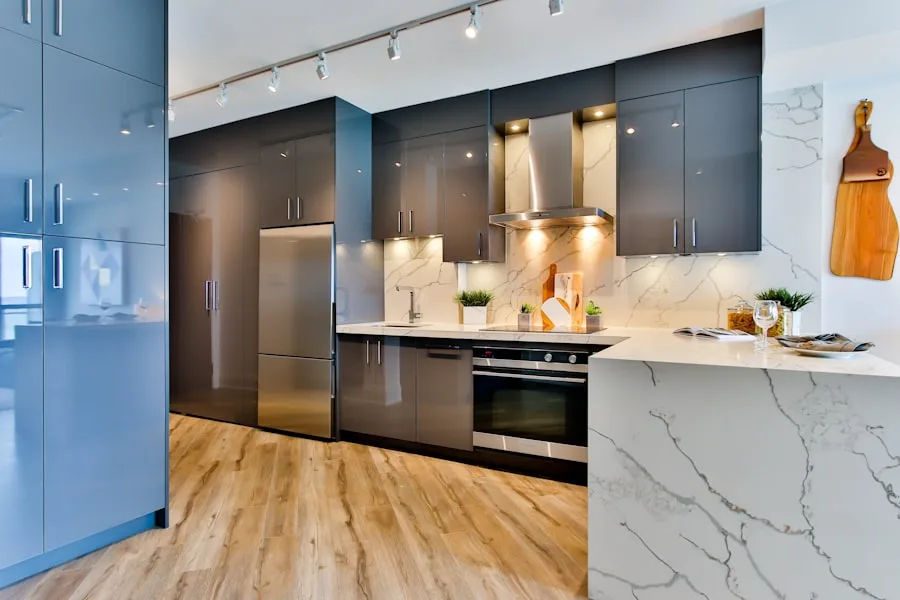
Renovating your kitchen can feel like a massive undertaking, especially here in Chennai where our homes often deal with unique challenges like humidity and space constraints. You want a kitchen that’s not just beautiful but truly works for your daily routine, from making that morning filter coffee to hosting a weekend spread.
The good news is, you don’t need to be a design expert to get it right. We’re going to walk you through the practical choices for layouts, the best materials that hold up in our climate, and give you honest cost breakdowns so you know exactly what to expect without any surprises.
Understanding Your Chennai Kitchen Layout
The layout of your kitchen is the foundation of its functionality. In Chennai, where apartment sizes vary widely from compact 2BHKs in Porur to sprawling homes in ECR, choosing the right configuration is crucial for efficiency and flow. Here are the most common layouts:
- L-Shape Kitchen: This is a popular choice for many Chennai homes, especially 2BHK and 3BHK flats. It uses two adjoining walls, creating a natural work triangle and often allowing for a small dining space or breakfast counter if you have the room.
- Parallel Kitchen (Galley Kitchen): Ideal for narrow spaces, such as those often found in older Adyar or Mylapore apartments. It features two opposing countertops, maximising storage and workspace without taking up too much width.
- Straight Kitchen (Single Wall Kitchen): Best for very small apartments or studio flats, or as an extension in an open-plan living area. All appliances and cabinets run along a single wall, which works well in a narrow OMR apartment.
- U-Shape Kitchen: Offers the most counter space and storage, using three walls. This layout is best suited for larger homes in areas like Anna Nagar or Kilpauk that have ample kitchen dimensions.
Many Chennai homeowners overlook how critical the work triangle (sink, stove, fridge) is. A well-planned L-shape or Parallel layout can save you countless steps while cooking, especially when space is tight.
Essential Materials for Your Chennai Kitchen
Given Chennai’s unique climate – hot and humid for most of the year – material selection isn't just about aesthetics; it’s about durability. You need materials that can withstand moisture, heat, and daily wear and tear. We at Homeli always recommend prioritising long-lasting options.
1. Plywood for Carcasses: BWP is Non-Negotiable
For the core structure of your cabinets, always insist on BWP (Boiling Waterproof) plywood. This marine-grade plywood is specifically treated to resist water and humidity, making it far superior to BWR (Boiling Water Resistant) or commercial ply for kitchens. Brands like Greenply and Century Ply offer reliable BWP options with good warranties. We simply don’t recommend anything less for a Chennai kitchen.
2. Finishes: Laminate, Acrylic, or PU?
- Laminate: This is the most popular and practical choice. It’s highly durable, scratch-resistant, easy to clean, and comes in countless colours and textures. It’s also budget-friendly, making it a smart pick for busy families.
- Acrylic: If you love a high-gloss, reflective finish that brightens up a smaller kitchen, acrylic is for you. It looks premium and sleek, often found in luxury apartments in Nungambakkam. However, it’s more prone to fingerprints and scratches than laminate.
- Polyurethane (PU): Offers a smooth, seamless matte or gloss finish, similar to car paint. PU looks very sophisticated and is quite durable, but it’s a more expensive option and requires skilled application.
Consider using a combination of finishes. For instance, acrylic on upper cabinets for that premium look and durable laminate on lower cabinets that see more daily wear and tear. This balances aesthetics and practicality.
Countertops and Backsplashes: Practical Choices
The surfaces you interact with daily need to be robust, easy to clean, and resistant to stains and heat. In Chennai, this often means opting for time-tested materials.
1. Countertops: Granite vs. Quartz
- Granite: A classic for a reason. Locally sourced granite is relatively affordable in Chennai, incredibly heat-resistant, and very durable. It’s also porous, so it needs periodic sealing, but a good quality dark granite hides everyday stains beautifully.
- Quartz: An engineered stone that is non-porous, highly stain-resistant, and requires no sealing. It comes in a wider range of consistent colours than natural granite, but it is generally more expensive.
2. Backsplashes: Tiles or Something Else?
Your backsplash protects the wall behind your cooking area from splashes and grease. Ceramic or porcelain tiles are the most common choice due to their durability, ease of cleaning, and vast design options. You can also explore glass backsplashes for a modern, seamless look, but they can show smudges more easily. Don’t bother with anything too textured that traps grease.
Hardware and Accessories: Where to Spend, Where to Save
The small details in your kitchen can make a huge difference to its usability and longevity. Good hardware ensures smooth operation for years, while smart accessories make cooking a joy. This is where you really feel the quality.
1. The Non-Negotiables: Hinges and Channels
Invest in high-quality hinges and drawer channels from reputed brands like Blum, Hettich, or Häfele. These European brands offer soft-close mechanisms that prevent slamming and ensure your cabinets operate smoothly for over a decade. Skipping on this will lead to sagging doors and sticky drawers very quickly.
2. Smart Storage Solutions
Beyond the basics, consider pull-out pantry units, tandem drawers, or corner solutions (like magic corners) to maximise storage, especially in smaller Chennai kitchens. These can be expensive, so choose them wisely based on what you actually need. A simple cutlery organiser and plate rack are far more essential than a fancy spice pull-out you rarely use.
When planning your storage, think about your specific cooking habits. Do you have many large pots, or mostly smaller vessels? How many masala dabbas need easy access? This helps your designer tailor solutions precisely. You can even use our design consultation service to figure this out.
Real Kitchen Interior Cost Breakdowns in Chennai
This is often the biggest question on every homeowner’s mind. The cost of your kitchen interior in Chennai depends heavily on size, materials, and the complexity of the design. Here’s a realistic breakdown to help you budget:
| Kitchen Size & Type | Approx. Area (Sq. Ft.) | Typical Materials & Finishes | Starting Price Range (₹) | Key Inclusions |
|---|---|---|---|---|
| Compact 2BHK (e.g., Pallavaram) | 60-80 | BWP Plywood + Laminate Finish | ₹1,80,000 - ₹2,50,000 | Base & Wall Cabinets, Basic Hardware, Countertop |
| Standard 3BHK (e.g., Tambaram, Porur) | 90-120 | BWP Plywood + Laminate/Acrylic Mix | ₹2,80,000 - ₹4,00,000 | Cabinets, Branded Hardware (Hettich), Countertop, Basic Accessories |
| Large Luxury (e.g., Anna Nagar, Nungambakkam) | 130-180+ | Marine Ply + Acrylic/PU Finish | ₹4,50,000 - ₹7,00,000+ | Custom Cabinets, Premium Hardware (Blum), Designer Countertop, Extensive Accessories |
These prices typically cover modular cabinets, shutter finishes, internal hardware, and often the countertop. They usually exclude appliances (chimney, hob, oven), civil work (like breaking walls or changing flooring), and major electrical rewiring. Expect to pay around ₹1,800 to ₹2,500 per square foot for a good quality modular kitchen, depending on your choices. To get a more precise estimate, you can use our online interior cost calculator.
Kitchen Interior Project Timelines in Chennai
Once you’ve finalised your design and material selections, the actual installation of your modular kitchen in Chennai typically takes about 25-30 working days. This timeline assumes that any civil work (like plumbing shifts or tiling) is already completed.
- Design & Approval: 1-2 weeks
- Material Procurement & Manufacturing: 3-4 weeks
- On-site Installation: 3-4 weeks
Always build in a buffer of an extra week, especially if you’re living in an older building in T Nagar where unforeseen issues can crop up with plumbing or electricals. A smooth project needs clear communication and realistic expectations from the start. Finding the right professionals can make a difference, so look into interior designers in Chennai with price transparency.
Key Considerations Before You Finalise Your Kitchen Plan
Before your designer even puts pen to paper, think about these practical aspects. They’ll save you headaches and extra costs down the line.
- Ventilation: Chennai kitchens need excellent ventilation. Ensure you have a powerful chimney and an exhaust fan to deal with heat and cooking fumes. Good ventilation prevents grease build-up and keeps your kitchen cooler.
- Electrical Points: Map out all your appliances. Do you need points for a mixer, grinder, toaster, microwave, water purifier, fridge, chimney, and hob ignition? Don't forget under-cabinet lighting.
- Plumbing: Confirm the locations for your sink and water purifier connections. Are they where you want them, or do they need to be moved? Moving points can add to civil costs.
- Natural Light: Observe how much natural light your kitchen receives. If it’s a darker space, perhaps facing another building in a compact Chromepet apartment, consider lighter cabinet finishes and ample artificial lighting to make it feel brighter and more open.
- Waste Management: Plan for dedicated bins for wet and dry waste, easily accessible but out of sight.
Frequently asked questions
How long does a modular kitchen installation take in Chennai?
Typically, once the design is approved and materials are ready, a modular kitchen installation in Chennai takes about 25-30 working days. This includes cabinet fitting, countertop installation, and final adjustments. If civil work like wall demolition or major plumbing changes are involved, add another 10-15 days. For a standard 10x8 ft kitchen, you can expect completion within a month.
What's the best plywood for kitchen cabinets in Chennai's climate?
Without a doubt, BWP (Boiling Waterproof) plywood is the best choice for Chennai kitchens. Our high humidity levels and occasional water spills demand material that won't warp or swell. Brands like Greenply or Century offer excellent BWP options that come with good warranties, ensuring your cabinets last for years even in areas like Sholinganallur.
Should I choose laminate or acrylic finish for my Chennai kitchen?
Both have their merits. Laminate is more budget-friendly, highly durable, scratch-resistant, and easy to maintain – perfect for busy Chennai households. Acrylic offers a high-gloss, premium look that brightens up smaller kitchens in areas like T Nagar but is more prone to scratches and fingerprints. For a balance of aesthetics and practicality, many homeowners opt for a mix, using acrylic on upper cabinets and laminate on lower ones.
What's a realistic budget for a 2BHK kitchen interior in Anna Nagar?
For a compact 2BHK kitchen in Anna Nagar (typically 80-100 sqft), a realistic budget starts from ₹1.8 Lakhs for a well-designed modular kitchen using BWP plywood and laminate finish. This can go up to ₹3 Lakhs or more if you opt for premium finishes like acrylic, branded hardware (Blum/Hettich), and intricate storage solutions. Always get a detailed quote that specifies all inclusions.
What are common mistakes to avoid when designing a kitchen in Chennai?
A common mistake is not prioritising ventilation; a powerful chimney is vital for our cooking. Another is overlooking storage for everyday items like masala boxes and tiffin carriers – make sure your design includes practical pull-outs. Also, avoid choosing porous countertop materials that stain easily, and always insist on BWP-grade plywood to combat Chennai's humidity.