The Major Interior Design Styles Explained Simply
Modern
Modern (in the strict design sense) refers to mid-20th century design — the 1930s–1970s Bauhaus and International Style era. Clean horizontal lines, open-plan spaces, flat roofs (in architecture), minimal ornamentation, and functional furniture. Think Barcelona Chair, Eames lounger, concrete and glass. In India, "modern" is often used loosely to mean "contemporary."
Contemporary
Contemporary simply means "of the current moment" — today's dominant trends. Right now that means warm neutrals (greige, terracotta, sage green), curved furniture, textured surfaces, and a mix of natural and man-made materials. Contemporary is the most popular style in Chennai's IT-professional apartments.
Traditional/Classic
Symmetry, ornate details, rich colours, and craftsmanship-focused furniture. In Indian context, this often means carved teak furniture, heavy drapes, and a formal dining room. Appeals strongly to multi-generational families with established taste preferences.
Transitional
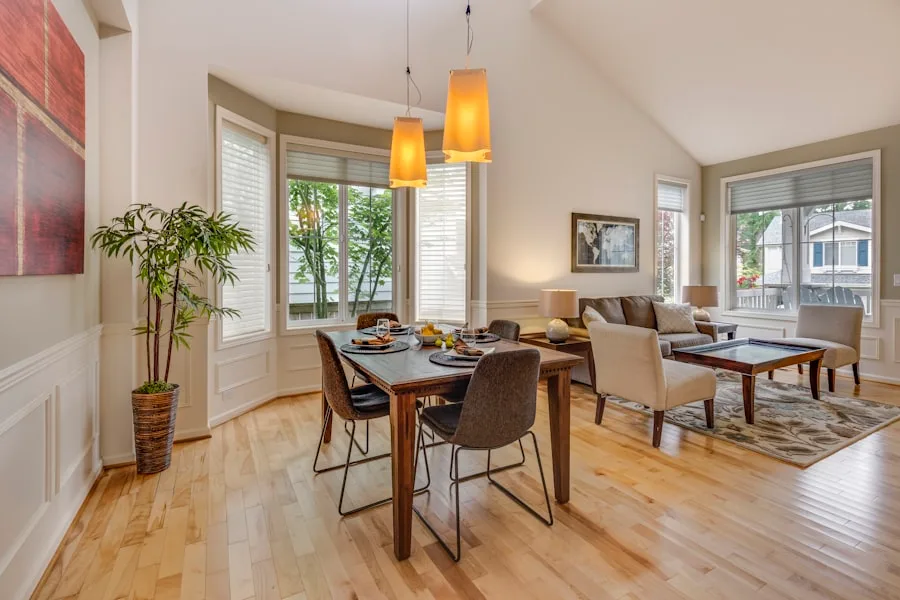
A blend of traditional and contemporary — the most practical choice for families where members have different preferences. Traditional proportions and furniture shapes, but simplified details and contemporary finishes. Easy to live with long-term.
Minimalist
Strict minimalism means: no excess, every object earns its place, strong geometric forms, monochromatic or very limited colour palette. Requires discipline to maintain — difficult in everyday family life. Popular as an aspiration, less popular as a lived reality.
Scandinavian
Warm minimalism — light woods (pine, birch), white walls, cosy textures (wool, linen), functional furniture, and an emphasis on natural light. Works beautifully in Chennai's naturally bright apartments. Easier to maintain than strict minimalism because the warmth hides minor clutter.
Industrial
Exposed brick, raw concrete, metal accents, Edison bulbs, reclaimed wood. Best suited to loft spaces and large open-plan layouts. In Chennai, often applied as an accent layer rather than a full style — a metal-legged dining table and exposed-brick feature wall in an otherwise contemporary home.
Eclectic
Intentional mixing of styles, periods, and cultures. The risk: looks like confusion. Done right: looks like a home that has been built up over time with love. The key is finding a consistent thread — usually a colour palette — that ties disparate elements together.
Three Questions to Find Your Style
- When you imagine a perfect afternoon at home, where are you and how does it feel? (Cosy sofa with throws = warm minimalism or Scandi; large open terrace with minimal furniture = modern; family gathering in a furnished dining room = traditional)
- Look at your Pinterest board — what are the first three words that describe the images you've saved? (Write them down. They form your style brief.)
- What do you NOT want in your home? (The negatives are often more revealing than the positives.)
Guidelines for Mixing Styles
Most successful homes mix styles rather than following one strictly. The rules for successful mixing:
- Choose one dominant style (70%) and one accent (30%): Contemporary rooms with one traditional statement piece work beautifully
- Maintain a consistent colour palette across all rooms: Different styles can coexist if the colours speak to each other
- Vary textures, not just styles: Combining smooth lacquer with rough linen creates interest without style conflict
- Repeat key elements: If you use teak wood in the kitchen, echo it in the bedroom wardrobe trim
Why Committing to a Direction Matters
Undefined style briefs lead to incoherent interiors — each room looks like a different designer made it. More importantly, undefined briefs lead to decision paralysis during execution. Every material selection becomes a discussion rather than a confirmation. A clear style direction means each material decision is easy: "Does this belong to our brief?" Yes or no.
Your interior designer should help you crystallise your brief at the start of the project, before any decisions are made. Read more in our guide on how to plan home interiors from scratch.
Frequently Asked Questions
Modern (strictly) refers to mid-20th century design from the 1930s-70s — Bauhaus, International Style. Contemporary means today's current trends. In everyday usage, most people use 'modern' loosely to mean 'contemporary.'
Contemporary is the most popular style in Chennai's mid-to-premium apartment market — warm neutrals, clean lines, natural materials, and a mix of minimalism with warm accents.
Yes — most successful homes mix styles. The key is choosing one dominant style (70%) and one accent style (30%), and maintaining a consistent colour palette throughout.
Save images that appeal to you without overthinking. After 30-40 images, look for patterns — colours, furniture types, textures. Write down 3 words that describe the majority. Those 3 words are your style brief.